Battle for AmericaBeyond that, England has its hands full trying to gain advantage in the big European wars, which rage almost non-stop throughout the period. All the major powers are involved, with England and France at the forefront. Kings battle each other in a titanic struggle for empire, with warfare sometimes spilling over into America. Battles are fought over territory, but even more to control trade, which is now widely recognized as the key to wealth. By this time, England has seized control of both Ireland and Scotland, growing in both size and power. It is now calling itself 'Great Britain,' and is hungry for even greater empire. The 'English' are now known as the 'British.' |
| ||||||||||||||||
| |||||||||
War for Empire Warfare consumes the entire continent of Europe during the mid-1700s, mostly between Protestants allied with Britain, and Catholics allied with France. The titanic struggle between the British and French begins in America, in a war called the 'French and Indian War' because Indians are drawn into the conflict on both sides. But this war is actually just a small portion of the much bigger war raging in Europe. British battlefield losses in Europe are twelve times greater than their losses in America. Still, the British insist that struggling colonists help shoulder some of the burden. New taxes which the British Parliament impose on American imports only enflame colonist resentment. | |||||||||
| |||||||||
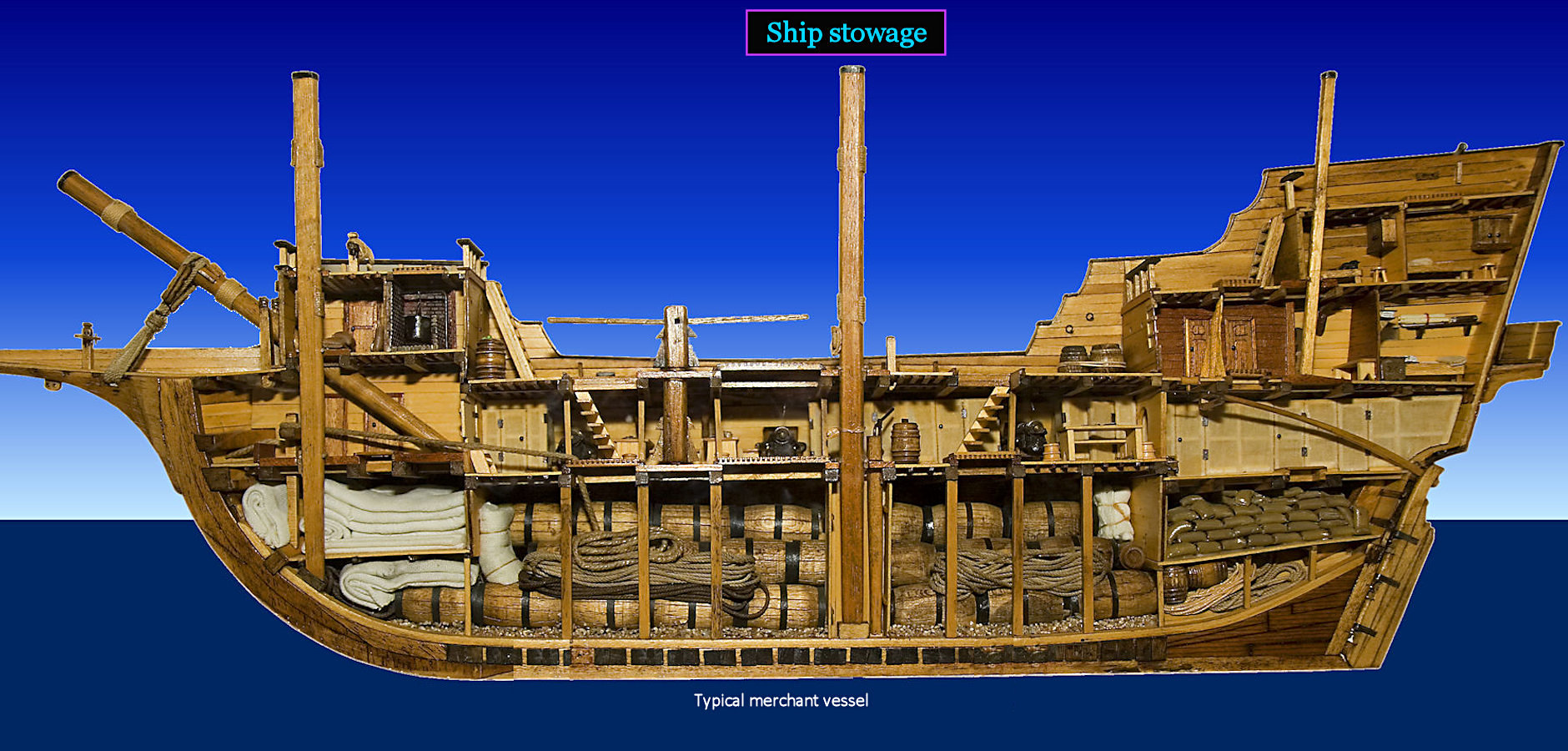
Evolving Weapons Warfare in the 1700s is a far cry from the medieval clash of knights in armor. Armies are huge, highly organized, and fully equipped. Wars are started for all kinds of reasons, including the need for younger rulers to gain recognition and acclaim. Field artillery is now fully mature, with armies typically deploying hundreds of cannons all over the battlefield. Warships have evolved into speedy single-decked frigates, and towering two- and three-deckers mounting 80 cannons or more. Muskets are fired by striking a spark from a piece of flint, rather than using the older slow-burning length of cord. They are still cumbersome to load, however, as the weapon must be placed upright on the ground to pour in powder, and then ram down the ball. | |||||||||
| |||||||||
Battlefield Carnage Wars are by far the most complicated and costly activities managed by kings, who must somehow find ways to finance them. There is a steady drumbeat of war throughout the period, involving widely scattered struggles. But by the mid-1600s, the conflicts have grown mind-numbingly costly, with wars involving all the major powers of Europe. England is prominently involved in most of them, including the incredibly bloody 'Thirty Years War' (center), and shorter but still costly 'Seven Years War' (right). This helps explain why Britain is pretty tired of war by the time the American colonists pick up the fight, shortly thereafter. The British are not only exhausted, but still trying to emerge from deep war debt. | |||||||||
| |||||||||
The Fight for America By 1750, the British have firm control of the American coastline, with forts (RED dots) guarding the approaches. The French are in a much weaker position. They also have forts (BLUE dots), but very few settlers (BLUE areas). Forts are mostly simple constructions, like the one shown above. The exception is the great French fortress at Quebec (top left), which is the gateway to all of 'New France.' Even so, the British manage to capture it after a tough campaign. There is also a French fort at what is now Pittsburgh. The British try to take it with an expedition that includes a young Lieutenant-Colonel George Washington, from Virginia (lower right). The expedition fails, but the French eventually lose the war, and withdraw from colonial America. | |||||||||
| |||||||||
Masters of Land and Sea By the end of the Seven Years War, Britain is the undisputed master of the world. Its army has been victorious over the French in America, Europe and even India. On the high seas, none can stand up to the British Navy, which is seemingly everywhere. But this mastery comes at a price. The British have manufacturing capability second to none, but remain a small nation, with a modest population. There are twice as many Frenchmen as Brits, and three times as many Spanish, Ottoman Turks and Germanic peoples (each). The Austrians, Persians, Russians and Poles all have populations roughly equal to that of Britain. The secret to British supremacy is sea power, which Britain jealously maintains with outsized spending and unmatched seamanship. | |||||||||